UL 94 Rubber Materials for OEM & Electrical Applications

Home | UL-Recognized Rubber Products & Materials | UL 94 Rubber Materials for OEM & Electrical Applications

Understanding UL 94 Flammability Requirements

UL 94 is one of the most commonly referenced flammability standards for rubber and plastic materials used in electrical, industrial, and OEM applications. For engineers and sourcing teams, understanding UL 94 is about more than meeting a specification. It is about selecting materials that support performance, documentation requirements, and long-term application success.

Whether you are evaluating gasket materials for an electrical enclosure, reviewing requirements for a control panel, or sourcing components for a regulated application, North Coast Seal can help identify UL-recognized materials aligned with your performance and compliance goals. 

What Is UL 94?

UL 94 is a flammability testing standard used to evaluate how plastic and rubber materials react when exposed to a flame source.

The testing process measures factors such as:

  • How quickly a material self-extinguishes
  • Whether flaming particles drip from the material
  • How flame exposure impacts material performance
  • The duration of continued burning after ignition

UL 94 ratings are commonly referenced in electrical equipment, control panels, enclosures, consumer products, and industrial applications where fire safety and material performance are important considerations.

rubber extrusions

Why Flammability Ratings Matter

In many applications, material performance extends beyond sealing, compression, or environmental resistance. Engineers may also need to consider how materials behave during abnormal operating conditions or exposure to ignition sources.

Using materials with documented flammability ratings can help:

  • Support compliance requirements
  • Improve material traceability
  • Reduce specification uncertainty
  • Simplify documentation review processes
  • Support OEM qualification requirements

While UL 94 does not determine whether a complete product is approved for use, it provides important information about the materials used within larger assemblies and systems.

Understanding UL 94 Classifications

UL 94 classifications help identify how a material responds during testing.

UL 94 V-0

V-0 is one of the most commonly specified flammability ratings. Materials achieving a V-0 rating self-extinguish quickly after flame exposure and do not produce flaming drips that could ignite nearby materials.

Many engineers consider V-0 the preferred rating for electrical and industrial applications where fire performance is a key design consideration.

UL 94 V-1

V-1 materials also self-extinguish after flame exposure but allow for a longer extinguishing time than V-0 rated materials.

UL 94 V-2

V-2 materials meet basic self-extinguishing requirements but may allow flaming drips during testing.

The appropriate rating depends on the application, product requirements, and applicable standards.

Does Material Thickness Affect UL 94 Ratings?

Yes. One of the most commonly overlooked aspects of UL 94 testing is that ratings are often thickness-dependent.

A material that achieves a V-0 rating at one thickness may achieve a different rating at a thinner cross-section. Because of this, engineers should verify that the specific rating applies at the exact thickness required for their application.

When evaluating UL-recognized materials, it is important to review supporting documentation, including file numbers and testing information tied to the specific material and thickness being used.

Common UL 94 Rubber Materials & Selection Considerations

Several elastomer compounds may be available with UL 94 recognition depending on the formulation, thickness, and manufacturer. Choosing the right material requires more than matching a flammability rating. Temperature range, compression performance, environmental exposure, chemical resistance, and fabrication method can all affect the final recommendation.

Silicone (VMQ)

Silicone materials are frequently used in electrical and industrial applications due to their temperature resistance, flexibility, and availability in UL-recognized formulations.

EPDM

EPDM is commonly selected for enclosure sealing and outdoor applications where environmental resistance is important.

Neoprene (CR)

Neoprene offers a balance of environmental resistance and durability for many industrial sealing applications.

Nitrile (NBR)

Nitrile materials are often used where oil resistance and sealing performance are important considerations.

Specialty Compounds

Depending on application requirements, specialty formulations may be available to support specific flammability, environmental, or performance objectives.

Applications That Commonly Reference UL 94 Materials

UL 94-rated materials are often used in:

  • Electrical enclosures
  • Industrial control panels
  • Power distribution equipment
  • EV and battery-related applications
  • Lighting systems
  • Industrial machinery
  • Electronic assemblies
  • OEM equipment requiring documented material performance

Material selection should always be based on the specific application, environmental conditions, and compliance requirements involved.
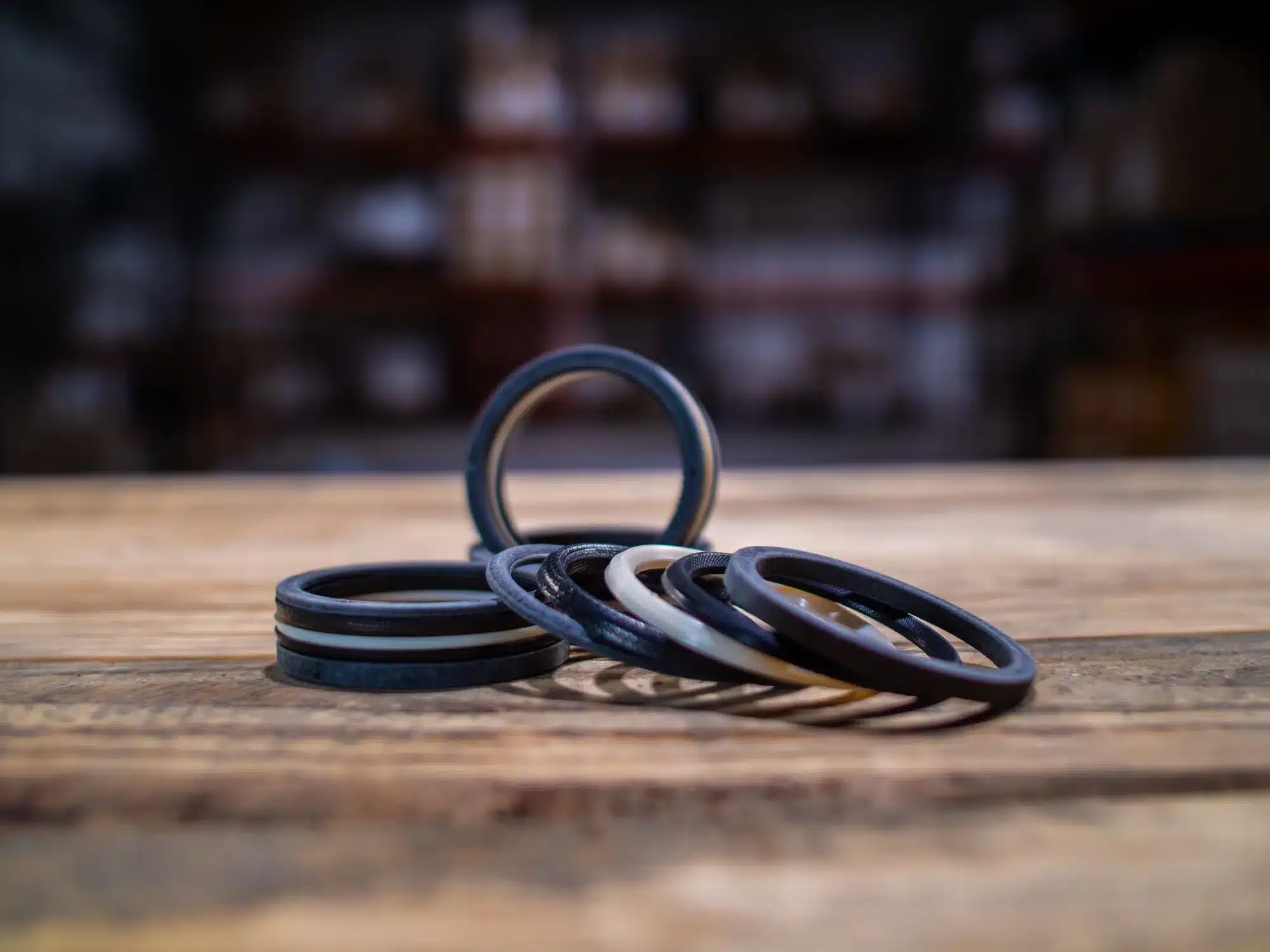
v-seals

UL-Recognized Products Available from North Coast Seal

North Coast Seal supports a range of UL-relevant products and fabrication capabilities, including:

  • UL gasket materials
  • Die-cut gaskets
  • UL-recognized O-rings
  • Custom molded rubber components
  • Extruded rubber profiles
  • Sponge and closed-cell sealing materials

Our team can help review specifications, compare material options, and identify solutions aligned with your application and documentation requirements.


Frequently Asked Questions About UL 94 Rubber Materials

UL 94 is a flammability testing standard used to evaluate how rubber and plastic materials respond when exposed to a flame source. It is commonly referenced when selecting materials for electrical, industrial, and OEM applications.

UL 94 V-0 is a flammability classification indicating that a material self-extinguishes quickly after flame exposure and does not produce flaming drips during testing. It is commonly preferred for electrical and industrial applications where fire performance matters.

Yes. UL 94 ratings are often thickness-dependent, meaning a material may achieve different ratings at different thicknesses. Engineers should verify that the rating applies to the specific thickness required for the application.

Depending on formulation and testing, materials such as silicone, EPDM, neoprene, nitrile, and specialty compounds may be available with UL 94 recognition. The specific compound, thickness, and documentation should always be verified.

Verification typically involves reviewing UL documentation, file numbers, testing information, and material specifications associated with the specific compound. North Coast Seal can help support documentation requests for applicable materials.

Yes. North Coast Seal helps OEMs and sourcing teams review application requirements, compare material options, and identify UL-recognized compounds aligned with performance and compliance goals.

Need Help Selecting a UL 94 Rubber Material?

Let’s Review Your Requirements

Choosing a material based solely on a flammability rating can overlook other important factors such as environmental exposure, compression performance, temperature requirements, and documentation needs.

North Coast Seal helps OEMs evaluate material options, review specifications, and identify UL-recognized compounds that align with real-world application requirements.

Send us your print or application details and our team will help determine the best path forward.
Copyright ©2026 North Coast Seal

Questions?

Curious about availability, pricing, and turnaround?