Home | Static vs Dynamic Sealing: What Engineers Need to Know

Static vs Dynamic Sealing: What Engineers Need to Know

Home | Static vs Dynamic Sealing: What Engineers Need to Know

Every seal falls into one of two categories: static or dynamic. The distinction determines which materials, geometries, and design considerations apply. Confusing the two, or choosing a seal designed for the wrong category, is a leading cause of premature seal failure. This guide covers what static and dynamic sealing are, how they differ, and where each shows up in real applications.

What Is a Static Seal?

A static seal is a seal used between two mating surfaces that do not move relative to each other. The seal is compressed into a gland and holds pressure or excludes contamination without absorbing motion. Static seals rely on the compressive force applied at installation, not on continuous energization from movement.

Common static seal types:

  • O-rings in static grooves
  • Gaskets between flanged surfaces
  • Sealing plugs
  • Bonded seals

Where static seals show up:

  • Flanged pipe joints
  • Cylinder head gaskets
  • Access covers and lids
  • Enclosure seals
machine seals

What Is a Dynamic Seal?

A dynamic seal is a seal used where at least one mating surface moves. The seal must maintain contact with the moving surface while accommodating that motion. This introduces friction, wear, and heat generation that static seals never face.

Two subcategories of dynamic sealing:

  • Reciprocating: the sealed surface slides back and forth (hydraulic rod seals, pneumatic piston seals)
  • Rotary: the sealed surface rotates (rotary lip seals on pump shafts, mechanical seals)

Common dynamic seal types:

  • Piston seals
  • Rod seals
  • Rotary lip seals
  • Spring-energized seals
  • O-rings in dynamic service (with the right groove design)

Key Differences Between Static and Dynamic Sealing

FactorStatic SealingDynamic Sealing
MovementNone between mating surfacesReciprocating or rotary motion
Failure modesCompression set, chemical attack, extrusionAbrasion, wear, extrusion, thermal breakdown, compression set
Material considerationsCompression set resistance is primaryWear resistance and low friction are primary
Surface finish (mating)Less criticalHighly critical: finish affects seal life directly
LubricationUsually optionalUsually required
Typical geometryO-rings, gaskets, bonded sealsRod seals, piston seals, rotary lip seals
Cycle-life concernsLow unless thermal or chemical stress is highHigh: every cycle wears the seal

Why the Distinction Matters for Specification

Selecting a static seal for a dynamic application, or vice versa, is one of the most common specification errors in sealing. A static O-ring installed on a moving shaft will abrade quickly. A dynamic seal used in a static flange over-engineers for friction it never encounters, adding cost without benefit.

Practical implications:

  • Material choice. Static applications lean on compression set data. Dynamic applications lean on wear resistance, hardness, and coefficient of friction.
  • Geometry. Static seals prioritize squeeze and cross-section fit in the gland. Dynamic seals prioritize lip design, energizer type, and clearance to the moving surface.
  • Surface prep. Dynamic sealing depends on the mating surface finish. Static sealing tolerates rougher surfaces.
  • Contamination control. Dynamic seals often need secondary wipers to exclude particulates.
  • Lubrication. Dynamic seals typically need lubrication to start. Static seals rarely do.

Where the Categories Blur

Some applications sit between static and dynamic:

  • Semi-static seals move only during pressure changes or thermal cycling (for example, a flange seal on equipment that undergoes temperature swings). They face fatigue behaviors static seals normally avoid.
  • Low-cycle dynamic seals move infrequently (for example, on manual valves opened a few times a year). The material still needs some wear resistance but not the fatigue life of a continuous-motion seal.
  • Slow-rotation seals rotate at very low speeds. Standard rotary seal design may or may not apply depending on speed and load.

When in doubt, treat the application as dynamic. Static-designed seals rarely tolerate motion, but dynamic-capable seals almost always work in static service.
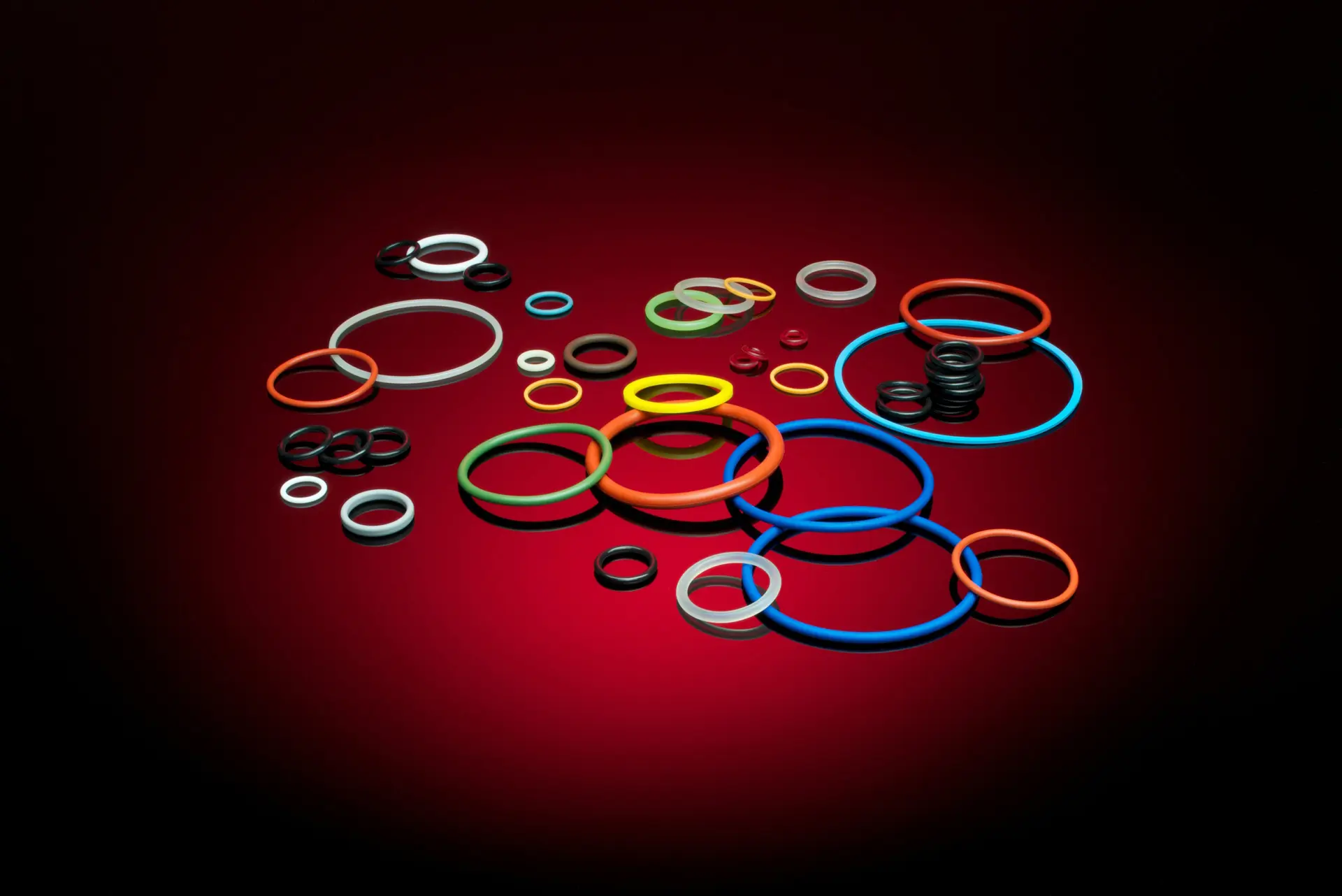
o-rings with red backdrop

Not Sure Which Category Your Application Falls Into?

Send us a short description of the seal, gland, and expected motion. We'll help you classify the application and recommend a seal type and material.

Frequently Asked Questions

A static seal sits between two surfaces that don't move relative to each other. A dynamic seal handles at least one moving surface. The difference determines which materials, geometries, and design considerations apply.

Yes. O-rings are one of the few seal types that work in both categories, though the gland design, material hardness, and surface finish requirements differ significantly between the two. See our companion guide on how engineers select seals for harsh environments.

Abrasion and wear are the most common dynamic-only failures. Thermal breakdown from friction heat is another. Static seals face compression set, chemical attack, and extrusion but generally don't wear from motion.

Almost always. Dynamic seals rely on a thin lubricant film at the sealing interface to reduce friction, extend service life, and prevent thermal breakdown. Pre-lubrication or bonded coatings can eliminate the need for field lubrication at assembly. See our page on secondary coating and lubricating for options.

Treat it as dynamic. Static seals rarely tolerate even infrequent motion, but dynamic-capable seals almost always work in static service. The margin is worth the small cost increase.

Copyright ©2026 North Coast Seal

Questions?

Curious about availability, pricing, and turnaround?