Most seal failures trace back to a small number of specification errors at the design or sourcing stage. These mistakes are common, correctable, and typically avoidable with better questions asked earlier. This guide covers the mistakes engineers make most often and the steps that prevent them.
Sizing errors show up in three forms: wrong cross-section, wrong groove dimensions, and wrong stretch or squeeze.
Common sizing errors:
How to avoid it:
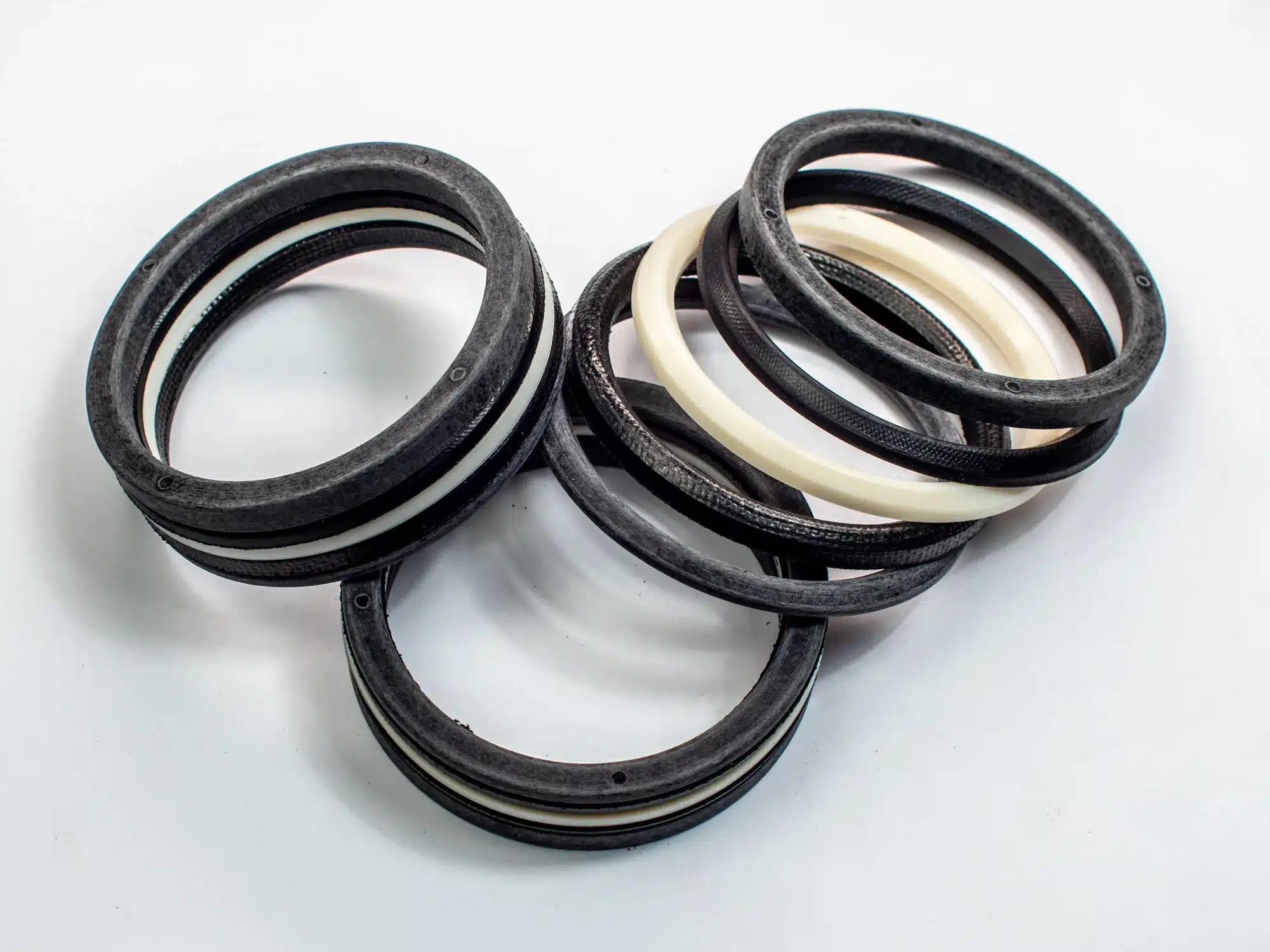
Choosing the wrong compound for the service environment causes chemical attack, thermal breakdown, or premature aging. It's the second-most-common cause of premature seal failure after sizing errors.
Common material mismatches:
How to avoid it:
Specifications often reflect the environment engineers think exists rather than the one actually there. Real service conditions include short-term excursions, pressure spikes, thermal cycling, and contamination that the datasheet ignores.
Common environment assumptions that cause failures:
How to avoid it:
Applications that require third-party certification, including food, potable water, electrical, and aerospace, have compliance requirements that override normal material selection. Missing these upfront means requalifying the part later.
Common certification oversights:
How to avoid it:

A seal spec is only complete when it accounts for how the part gets installed. Assembly damage causes failures that look like material issues but are actually installation issues.
Common assembly-stress oversights:
How to avoid it:
The final and most preventable mistake: moving from spec to production without physical testing. Datasheets are not a substitute for actual application testing.
How to avoid it: