Secondary Coating & Lubricating

Home | Services | Secondary Coating & Lubricating

Surface Treatments That Change How Seals Perform

Secondary coating and lubrication modify a finished seal to change how it performs in service. PTFE coatings, applied lubricants, and color coding are the most common treatments. Each addresses a specific issue: friction, assembly, chemical exposure, or part identification. The base compound stays the same.

When Secondary Coating or Lubrication Is Necessary

Coating or lubrication is not required for every application. It becomes necessary when the seal, gland, or assembly process introduces a problem the base compound alone cannot solve.

Common reasons engineers specify a coated or lubricated seal:
  • High assembly friction. O-rings twist, roll, or shave during installation into tight glands. A PTFE coating or applied lubricant reduces surface friction and prevents installation damage.
  • Automated assembly lines. Pre-lubricated seals feed reliably through pick-and-place equipment, robotic assembly, and high-volume manual lines without adding a lubrication step.
  • Reduced break-out force. Static seals that sit under compression for long periods can adhere to the mating surface. Coating reduces the initial force needed to move the seal.
  • Contamination-sensitive assemblies. Applied lubricants and PTFE coatings replace loose grease that can migrate into fluid systems, sensors, or clean environments.
  • Part identification. Color coding lets assembly technicians distinguish otherwise identical seals at a glance. For example, different durometers or NSF-certified vs. standard compounds.
  • High-temperature service. Coatings and specialized lubricants perform where standard petroleum greases break down.
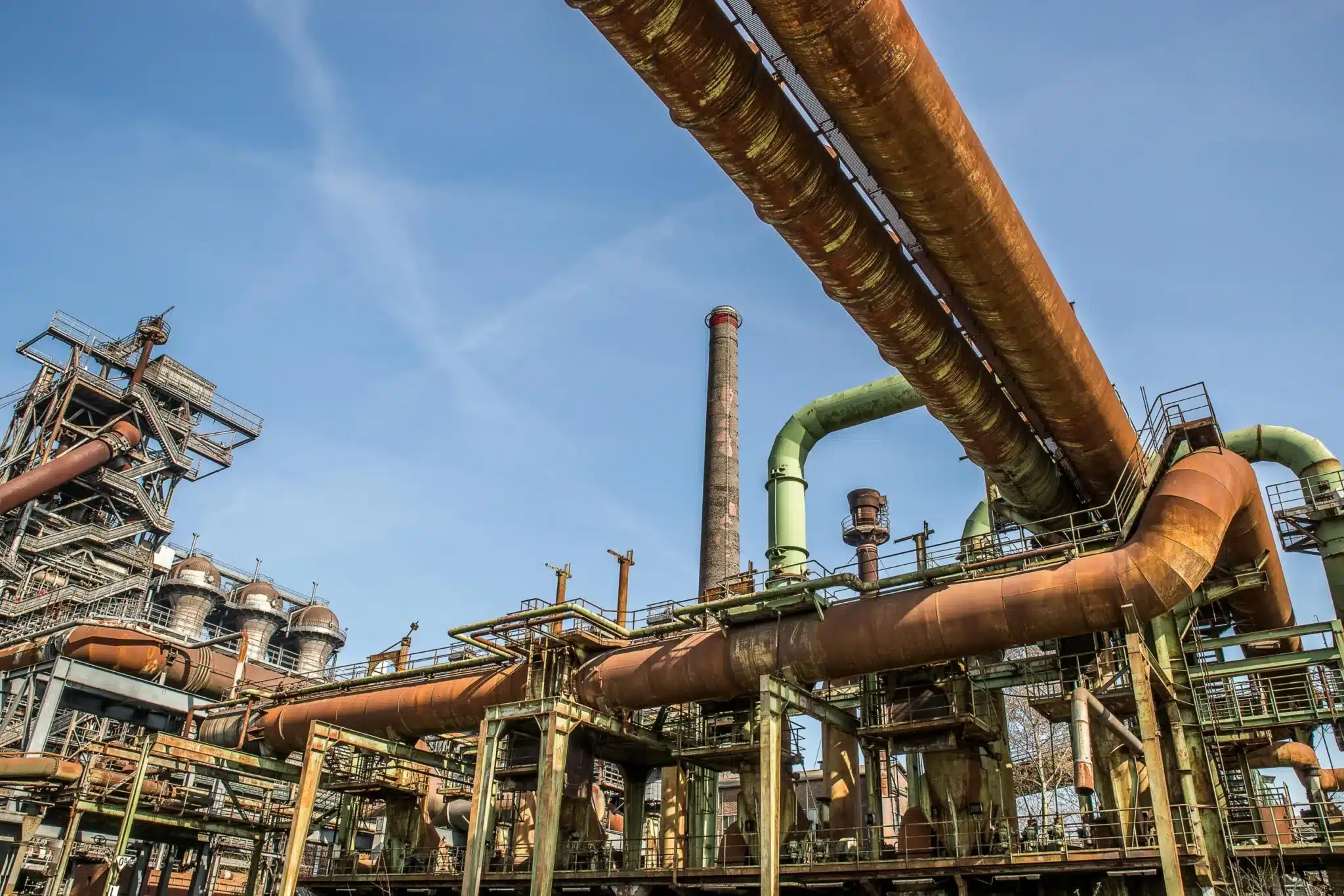
Rusty pipes in old factory
Man applying lubricant to seals

Coating and Lubrication Services We Offer

  • PTFE (Teflon®) coating. A thin fluoropolymer coating bonded to the seal surface. Reduces friction, adds a barrier against light chemical exposure, and holds up in higher-temperature service than most applied lubricants.
  • Applied lubrication. Proprietary lubricant applied to O-rings and molded seals before shipment. Reduces surface friction, eases installation, and eliminates the need for hand-applied grease at the assembly stage. See our Lube-A-Seal O-ring lubricant product page for details.
  • Color coding. A color additive applied to identify seal type, durometer, compound family, or certification status at a glance. Reduces assembly-line errors when multiple similar seals are in use.
All secondary services are available on standard O-rings, custom-molded parts, and gaskets, in low-volume prototype quantities or high-volume production orders.

Performance Benefits

Reduced installation friction

The single most common reason for coating and lubrication. A coated or lubricated seal slides into position with less force, cutting installation damage and rework.

Cleaner assemblies

A bonded coating or pre-applied lubricant stays with the seal instead of migrating onto adjacent surfaces or into fluid systems.

Faster and more consistent assembly

Pre-treated seals eliminate the manual lubrication step, standardize the amount applied, and speed up assembly-line throughput.

Extended service life

Reduced friction at startup and during dynamic motion lowers wear on both the seal and the mating surface.

Compatibility with automated equipment

Coated seals feed through vibratory bowls, pick-and-place tooling, and robotic assembly without hanging up.

Order Volumes

Secondary coating and lubrication are available on any order size, from short prototype runs to high-volume production. Every part gets the same coating or lubricant specification and traceability documentation.

Secondary Coating & Lubricating FAQs

Secondary operations are value-added processes performed after a part is manufactured. These services can include applying lubricants, specialty coatings, or color identification treatments to help improve handling, assembly, performance, or product identification based on the application's requirements.

Lubrication can help reduce friction during installation and operation, making seals easier to assemble while minimizing the risk of damage during installation. In many applications, lubrication can also contribute to smoother performance and improved component longevity.

Coatings are often used when an application requires enhanced surface characteristics, easier installation, improved handling, or specific performance attributes. The appropriate coating depends on the operating environment, material selection, and performance requirements of the application.

Yes. Color identification can help manufacturers quickly distinguish between materials, product variations, sizes, or application-specific components. This can improve inventory management, reduce assembly errors, and simplify quality control processes.

By receiving parts that are already coated, lubricated, or otherwise prepared for use, manufacturers can eliminate additional processing steps within their own facilities. This can reduce labor requirements, improve consistency, and help products move more efficiently through production and assembly workflows.

Have an Assembly or Friction Issue?

Send us the seal, the gland, and what you're seeing on the line. We'll recommend a coating or lubricant treatment and provide traceability documentation for the parts we quote.

"*" indicates required fields

This field is for validation purposes and should be left unchanged.
Name*
Existing Customer?
Drop files here or
Accepted file types: jpg, png, tif, pdf, doc, docm, docx, dot, dotm, dotx, rtf, txt, Max. file size: 2 GB.
    Order Minimum
    Copyright ©2026 North Coast Seal

    Questions?

    Curious about availability, pricing, and turnaround?